Shaping the future of the computing curriculum: Insights from the NCCE roundtable discussion
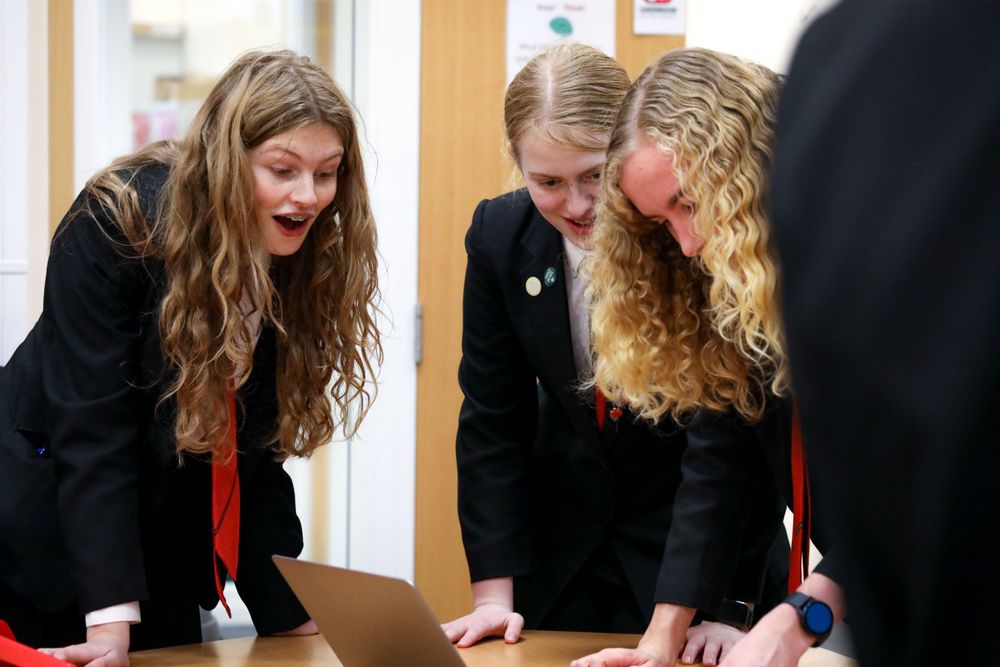
On 14 January 2026, STEM Learning, together with colleagues from the Department for Education and the British Computing Society (BCS), hosted a roundtable discussion focused on the future of the computing curriculum in England. Chaired by Simon Roberts, Secondary Computing and Digital Education Lead for the National Centre for Computing Education (NCCE) and STEM Learning, the event brought together a diverse group of voices to inform the next phase of curriculum development.
Teachers from primary, secondary, and post-16 education joined colleagues from the Department for Education, alongside students from a local secondary school. The aim was clear: to gather honest, practical insights into what is working, what needs to change, and how computing education must evolve following the recent Curriculum and Assessment Review and Government response.
A joined-up view across phases
A key strength of the discussion was the breadth of perspectives in the room. Teachers from across the education system shared challenges and opportunities at each phase, while students offered first-hand insight into their experience of the computing curriculum from primary to secondary / post-16. This cross-phase dialogue reinforced the importance of coherence, with continuity, clarity, and progression in computing emerging as consistent themes throughout the day.
Digital skills for a changing world
Digital skills were central to many of the discussions. While the importance of digital literacy is not a new issue, the pace of technological change has sharpened the focus. It was acknowledged that we cannot predict the specific careers today’s primary pupils will enter. What we can do is ensure they leave both primary and secondary education with a balanced, secure foundation in digital skills.
There was strong agreement that digital skills cannot sit solely within computing lessons and should be developed through meaningful experiences across the curriculum. Discussion focused on how subjects can work together to embed digital literacy in a coherent way, ensuring pupils build confidence, capability, and adaptability for life in a modern digital society.
What support is available to you on digital skills?
STEM Learning and the NCCE offers a range of opportunities to support teachers in developing digital skills across the curriculum, including:
- STEM Digital Skills CPD: A suite of remote professional development courses available across both primary and secondary education, designed to build teacher confidence and support effective teaching of digital skills in a range of contexts.
- STEM AI and Digital Skills Conference: Taking place on 26 June 2026 in York, this conference will feature high-profile keynote speakers and practical CPD workshops focused on artificial intelligence, digital skills, and their application in the classroom. Space is limited; early booking is encouraged.
Artificial intelligence: understanding, ethics, and critical thinking
Artificial intelligence was one of the most prominent topics of the day. Teachers and students alike stressed the importance of ensuring that learners leave school able to think critically about AI, understand how machine learning systems use data, and engage with the ethical implications of these technologies, starting as early as primary school.
The discussion reinforced the need for clarity around what pupils should know about AI, not just how to use tools, but how they work and how they impact society. This is increasingly essential for informed citizenship as well as future study and employment.
What support is available to you on AI?
The National Centre for Computing Education can support teachers in developing their understanding of artificial intelligence through the following professional development opportunities:
- AI in primary computing
- Introduction to Machine Learning and AI
- Artificial intelligence (AI) in Key Stage 3 computing
- AI and Ethics in GCSE computer science
Problem solving, programming, and resilience
Teachers from all phases emphasised the value of programming as a vehicle for developing problem solving, logical thinking, and resilience. These skills extend far beyond computing and are transferable across subjects.
There was strong support for greater collaboration between departments, helping pupils make explicit links between problem solving approaches in computing, mathematics, science, and other disciplines. This joined-up approach was seen as essential for reinforcing these core skills.
What support is available to you on programming and problem solving?
The National Centre for Computing Education provides a range of support to help teachers develop programming and problem-solving skills across all phases, including:
- Programming CPD: A range of online professional development courses available through the Teach Computing website, supporting teachers to build confidence and subject knowledge in programming.
- Teach Computing Curriculum: A free, structured curriculum offering high-quality teaching materials across Key Stages 1 to 4, designed to develop problem solving, computational thinking, and progression in programming.
- Enrichment activities: Collation of a wide selection of enrichment opportunities for both primary and secondary students, supporting engagement, challenge, and the application of programming skills beyond the classroom.
Bringing computing to life through practical experiences
Practical computing emerged as a powerful engagement tool. Both teachers and students highlighted the impact of hands-on experiences in making abstract concepts tangible and meaningful. It was also noted how effective practical computing can be at attracting a more diverse cohort of students and sustaining engagement in the subject.
Discussions focused on how practical activities can be used to develop a wide range of skills, from technical understanding to creativity and teamwork. Teachers and students were clear that practical computing plays a critical role in motivating learners and supporting deeper understanding.
What support is available to you?
The National Centre for Computing Education is on hand to support you develop engaging physical computing experiences through the following programmes and professional development opportunities:
- I Belong programme: Supporting teachers to inspire more girls to pursue computer science by championing inclusive approaches that address the needs of every pupil, through adaptive teaching, targeted interventions, and high-quality professional development.
- Physical computing CPD: A range of professional development courses focused on physical computing, including the use of the micro:bit, Crumble, and Raspberry Pi Pico, helping teachers bring computing to life through practical, hands-on activities.
Qualifications and future pathways
The proposed new GCSE in Computing, alongside a new Level 3 qualification in Data Science and AI, generated significant interest. Teachers discussed how these qualifications could support clearer progression routes and better reflect the skills and knowledge needed in further study and the workplace.
Ensuring accessibility, relevance, and alignment with earlier phases of education was seen as critical to their success and to ensuring that more young people pursue their computing journey post-16.
Reflections
Severine Trouillet, the CEO of STEM Learning who attended the roundtable said: ‘We were delighted to host the computing roundtable as the role of the NCCE is to foster dialogue for excellent education and to support teachers with relevant upskilling and support. Having young people taking part was the highlight for me and we are looking forward to working with the education community and the DfE on the new computing curriculum to create more opportunities for them to ultimately thrive in STEM careers and life’.
'It was a privilege to participate in the recent Round Table and to feel empowered to contribute to informing the government’s direction on the computing curriculum. It was particularly valuable that the DfE representative listened carefully to our views. We had the opportunity to hear the perspectives of colleagues and students from a range of schools on how a new curriculum might operate, including the potential introduction of a new Level 3 data science and AI course. Overall, it was a highly worthwhile experience, and I would encourage others to get involved in the discussion around the future of computing.' - Paul Robson, Computing Teacher, Royal Grammar School, Newcastle
Have your say
The conversation does not end here. The Department for Education is keen to continue engaging with teachers as thinking around curriculum reform develops.
There are several ways to contribute:
- BCS and CAS Future of Computing Surveys offer an opportunity for teachers to share their views, experiences, and suggestions for change:
- The STEM Community provides a space to continue discussions, ask questions, and connect with other computing educators across the country.
Your voice matters. By engaging in these conversations, you can help shape a computing curriculum that equips young people with the knowledge, skills, and understanding they need for the future.