This CPD explores how Artificial Intelligence (AI) can be integrated into the primary curriculum. Consider why we need to teach primary-aged pupils about AI, where teaching about AI fits in the curriculum, and explore some age-appropriate AI resources.
Artificial intelligence (AI)
Artificial intelligence (AI) has become a part of our daily lives, and is beginning to reshape how we work, learn, and interact with the world. Computing and artificial intelligence often go hand in hand. High-quality computing education provides knowledge of AI’s principles, applications, and risks.
Introduction to Machine Learning and AI

CPD
In a fast-changing global workplace, the UK is well-placed to capitalise on AI career opportunities, with many world-leading organisations based here. Students need your help to stay informed, gain future-ready skills and broaden their horizons – while building subject knowledge to meet their immediate challenges. Our courses for Primary and Secondary, support teachers to discover how to teach and use AI.
AI in Secondary Computer Science
Explore the role of generative AI and its applications within the Key Stage 3 Teach Computing Curriculum. You'll learn about the fundamentals of AI and investigate various platforms to support your teaching.
Immerse yourself into the ethical considerations of Artificial Intelligence. What does it mean for your students? How will it impact exams, and everyday life? Discover the impact with AI and Ethics in GCSE computer science.
Careers in AI

Computing Ambassadors give their time to share their experiences and knowledge with young people. You can host an industry expert in your classroom from sectors including data science, software development, natural language interfaces, business intelligence and UX design.
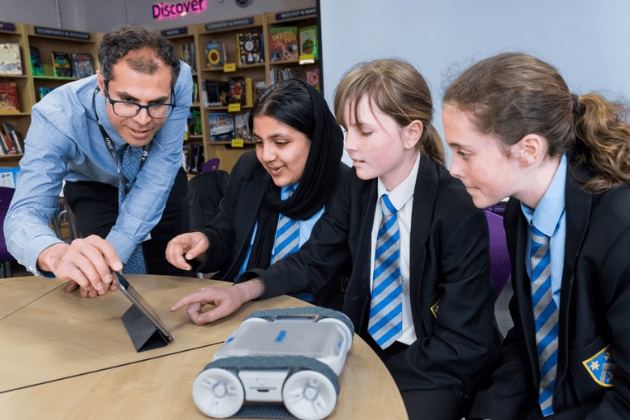
For other opportunities to engage students with AI in the working world, discover exciting computing events designed for students. From hands-on workshops to inspiring talks with industry experts, find an opportunity for your students to shine!
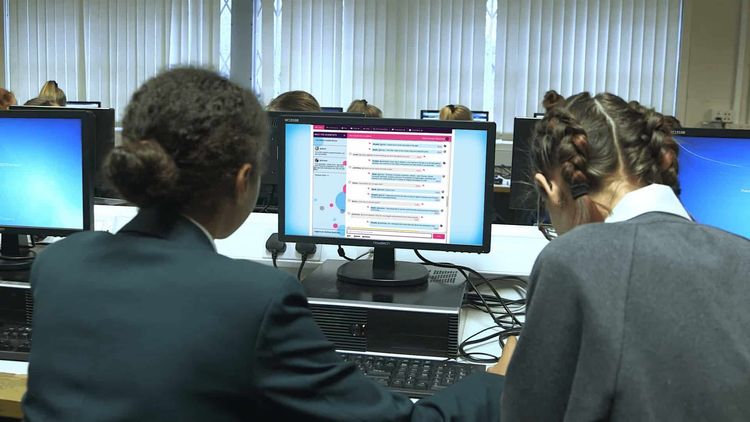
To bring a professional perspective into the classroom arrange an activity that connects school students with computer scientists through energetic, real-time, text-based chats.
Ethics and AI
“A lot of my focus is around that and it is a big interest of mine to focus on how we make tech that is ethically good. How do we make products that actually are helping people and don’t have bad societal consequences? I think in recent years we’ve seen things around how social media has been using our data and that sparked my interest in the area of AI and ethics.” Aleena Baig, Software Engineer
Foundational subject knowledge
Computer science knowledge is vital in AI, and we have a wide range of support to facilitate your school.
Teachers looking to develop or refresh their computer science knowledge can access the Secondary subject knowledge certificate, which covers the curriculum at key stage 3 and GCSE. For those looking to further their classroom skills to inspire students, our Secondary computing certificate is the perfect follow-on, and both are free to participate in for teachers in state-funded schools.
You can also utilise our high-quality, free range of resources; Teach Computing Curriculum includes introductory coverage of artificial intelligence for key stage 3. Isaac Computer Science is our free online platform for computer science teachers and students, boosting subject knowledge at GCSE and A level. Fundamental topics related to AI include programming, computer systems, algorithms and, importantly, consideration of the impacts of digital technology.