Reflecting on the I Belong Conference: Fostering inclusion in computing education
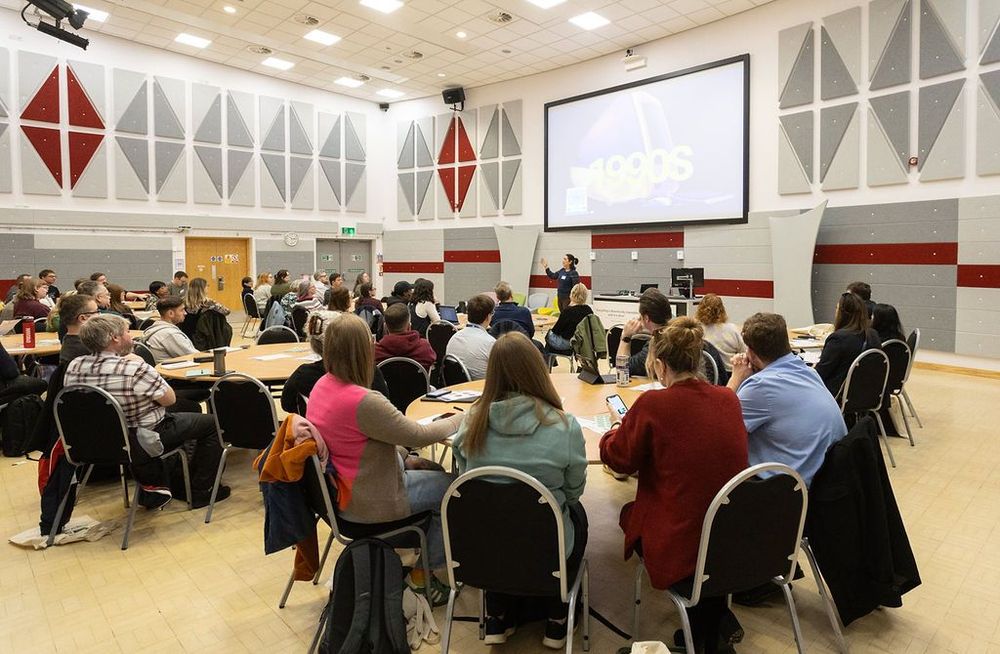
On 11 March 2026, the first I Belong Conference brought together educators, leaders, and experts to explore how every student can feel a sense of belonging in computing education.
The day featured inspiring keynote presentations from Dr Nicole Ponsford, Founder and CEO of the Global Equality Collective, and Dr Emma Posey from the Micro:bit Educational Foundation, both highlighting strategies for creating inclusive learning environments where learners of all ages can thrive.
The conference offered teachers practical, hands-on approaches to inclusion in computing. Participants explored a wide range of workshops, including adapting the primary and secondary Teach Computing curricula for SEND learners, gender-responsive approaches to programming, supporting neurodiverse learners, and creating culturally relevant projects to engage all learners. Sessions also covered adaptive teaching with digital tools, including AI and physical computing, and strategies for addressing the needs of all pupils while maintaining high standards.
A key theme throughout the day was universal design as a basic principle, in which inclusion, accessibility and therefore belonging come about through intentional and thoughtful design. Another key theme was the role of physical computing as a powerful way to engage learners. Speakers and workshop leaders demonstrated that hands-on, interactive approaches can inspire young people while supporting inclusion, showing that practical computing experiences can motivate learners of all abilities.
The panel discussion, hosted by Séverine Trouillet, CEO of STEM Learning, brought together Abena Akuffo-Kelly (Kanea Consulting), Caroline Keep (University of Central Lancashire), Catherine Moore (Learn Sheffield), and Raj Mann (DRKM Consulting), who brought a wealth of knowledge and lived experience to the panel on all aspects of DEIB in education.
Together, and in the context of the recently published Schools White Paper, they explored how learners’ identities influence their sense of belonging, how computing can support school-wide inclusion goals, and what it looks like in practice when high standards and inclusivity work hand in hand. Suggestions included better support for universal inclusive design and the use of appropriate digital tools to empower all learners.
Séverine Trouillet, CEO of STEM Learning commented ‘The positive energy and the buzz at the I Belong in Computing conference were fantastic, with thoughtful conversations about how we make computing truly inclusive — particularly for girls. It was encouraging to hear how physical computing is helping bring programming to life, giving more young people, especially those who are often underrepresented in computing and tech because of their backgrounds or needs, the confidence to see that they really do belong’.
The first I Belong Conference offered practical strategies, thought-provoking discussions, and actionable ideas to make computing classrooms inclusive, engaging, and inspiring. By combining research, practice, and lived experience and highlighting the potential of physical computing to motivate and include learners, the day reinforced that fostering belonging in computing is achievable and essential for every learner to thrive and succeed. Participants commented on a ‘superb’ and ‘informative’ day, which provided them with a wealth of ‘useful tools’ and 'practical strategies’. The success of the day was reflected in participant feedback which stated they wished for more time to explore each of the topics.
Not started your I Belong journey?
Our I Belong certification programme supports teachers in inspiring more girls to pursue computer science. We champion approaches for addressing the needs of each student, through adaptive teaching, targeted interventions, and high-quality professional development. Discover our initiatives below, including SEND & neurodiversity resources and the Computing Quality Framework to address the needs of each student.
Sign up for the I Belong certificate
Need SEND support?
Every learner deserves access to high-quality computing education, and teachers play a vital role in making that a reality, adapting lessons and environments to meet a wide range of needs. Check out our new webpage showcasing our CPD, resources and events that can support you with SEND in your school.
Visit our SEND Support page on the Teach Computing website.
CPD available to support you with inclusive practice
The NCCE offers a wide range of CPD opportunities designed to help schools support learners with additional learning needs and disabilities. Many courses focus directly on inclusive practice, while others include elements that help engage and support all learners in computing.